Basic Principles

FAQ

Taken From the American Polarity Therapy Association

  • The word polarity refers to universal principles of energy movement: energy moves between positively and negatively charged “poles” in any living system, including the human body. Energy is the source of life itself.

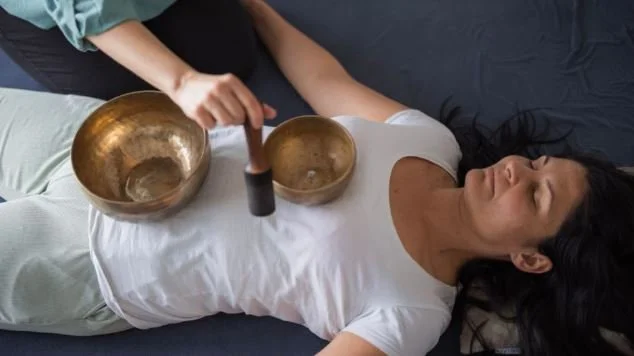
  • Polarity Therapy is typically administered through physical contact with the body, and can sometimes involve work off the body, without physical contact. The practitioner’s presence, pacing, and intention have as much of an impact on the client’s energy as manual technique.

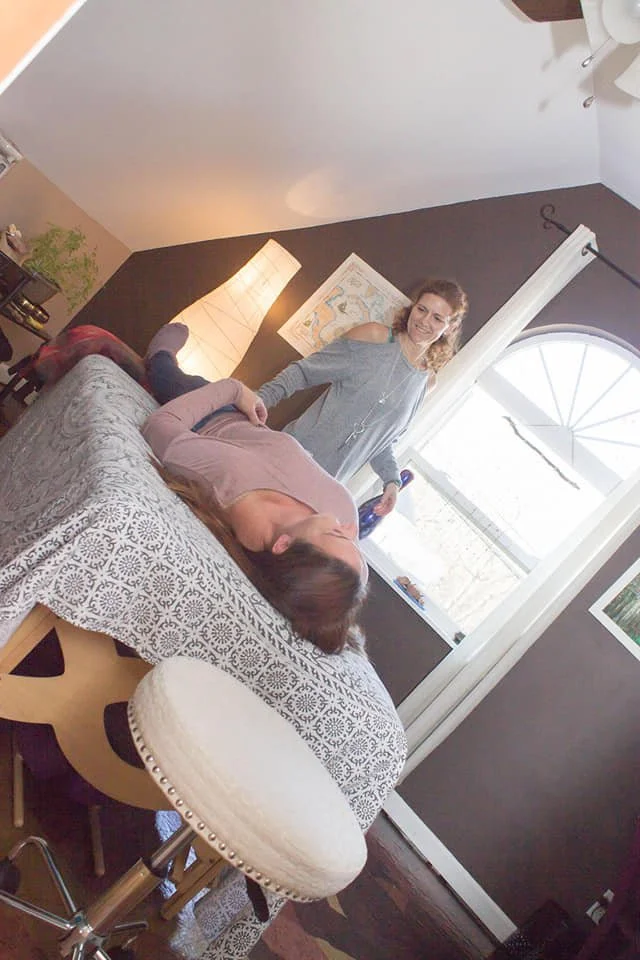
    In session work the client remains fully clothed and either lies down on a treatment table or sits comfortably in a chair. The practitioner tends to the client’s comfort throughout the session.

    The Polarity Practitioner employs a variety of hand contacts. These might include very light touch, or might include more active pressure, stretching and movement of the body.

    The physical technique is evaluative as well as therapeutic. So the practitioner is skillfully “reading” the energy, assessing where it is blocked - through sensitized touch and visual cues - and at the same time they are implementing techniques and strategies to encourage the flow.

  • Although the practitioner is working mostly with the body, the energy healing process impacts more than just physical wellness. It can be an aid to processing and letting go of past experiences held somatically and energetically and encourage menta-emotional balance.

    For persons who are in psychotherapy or a personal growth process, Polarity Therapy can be a complement to the work they’re already doing. Some clients remark after Polarity sessions they feel like they had a weight or burden lifted from them, or that they gained new insight about themselves. Interestingly, this can happen often without very much talking.

    However, as session is not typically done in complete silence. The practitioner may provide supportive communication and listening throughout the process to guide the session or inquire into the client’s perceptions.

    Some Polarity sessions can be done entirely without touch - the practitioner uses verbal communication and prompts to support energy movement and balance, instead of hand contacts. In the Polarity system, there are many tools a practitioner might employ to support unblocking the client’s life force.

  • The practitioner may also provide education about the Polarity system of diet and exercise; these can be taken advantage of between sessions by clients interested in greater self-care. These are energy-based approaches to nutrition and movement education that enhance the work done on the treatment table.

    Polarity Therapy is a truly integrative and complementary therapy - that means it works in conjunction with other resources in the client’s life. The session may stimulate the client to reach out for other help. For example, they might get a personal trainer, a psychotherapist, see a doctor, take a class, take up meditation, find a job counselor, read a self-help book - etc. Polarity is an open system that encourages health from many angles.

  • The engagement with the energy field produces a different frame of mind from our normal day-to-day consciousness. Recipients of Polarity Therapy report that they experience deep relaxation, radiance, peace, and rejuvenation, a profound connection to themselves.

    But the experience of the session is only the beginning of the therapeutic process. The session reconnects them with essential life-giving forces at work in the energy field, and the imprint of this experience tends to continue after the session.

    After sessions many individuals report feeling more inwardly organized, mentally coherent, with greater access to positive resources for health-building and self-care. Simultaneously they tend to feel more repelled by negative or toxic factors that deplete one’s energy. A session of Polarity Therapy is a bit like tending to one’s “energetic hygiene” - when you have a clean house you are less inclined to want to dirty it.

    As with any therapy, the therapeutic process happens at different rates for different personas, depending on the amount of challenges they are facing, and their existing resources - but anyone in any state of health may engage with Polarity Therapy if they are interested in making progress with their health.

  • For someone unfamiliar with the nature of Polarity Therapy, it might appear like a form of massage. But the practice has entirely different techniques, training, standards, scope of practice and competencies that put it in the category of Integrative and Complementary Healthcare.

    Most Massage is focused on:

    • muscle and soft tissue function

    • mechanical or structural issues in the body

    • general calming of the nervous system

    • circulation of blood and lymph

    • recreation and relaxation through touch

    Polarity Therapy is focused on:

    • Energetic health & vitality - feeling more present and alive

    • Embodied consciousness, coming back into the body through sensation and interoception

    • Regulation of the autonomic nervous system - this is more than generic “relaxation” it is balancing and regulating the entire stress response Integration of Body Structure, Function, Mind-Emotions and Spirit - experiencing unity and oneness throughout one’s being

    • Relational dynamics, interpersonal connection - to be addressed on the level of energy, one tends to feel deeply met and nurtured on a different level than a massage

    • Boundaries - because of the possibilities of projection, practitioners maintain healthy boundaries and manage the therapeutic relationship

    • Natural Healing Intelligence - Polarity orients the client toward inherent healing forces at work within themselves and nature.

  • Proponents of Polarity say sessions are helpful in supporting their overall physical-mental-emotional-spiritual health.

    Many persons also say they are helpful with healing processes they are going through. This includes individuals grappling with chronic, serious illnesses as well as persons dealing with minor conditions.

    Polarity Practitioners do not make claims to “cure” illnesses. They do not diagnose or prescribe anything. Instead, the Practitioner works in cooperation with the client to set the stage for their own inner health resources to emerge.

    they also may explore with the client what external resources are available to them that could further promote wellness.

    In the Polarity perspective, health is not merely the absence of disease. It is something positive which can be built up over time with effort and intention. Therefore, many persons also engage in this therapy as preventative care, even if they have no pressing problems or conditions. Anyone can benefit from energy balancing and a tune-up of their vitality.

    One of the joys of practicing Polarity is also that it benefits both the client and practitioner. Polarity balances life energy, and both participants in that process experience the effects of their energy fields coming into greater coherence and harmony.

  • Polarity Therapy was developed in the 20th Century by Dr. Randolph Stone (1889-1981), a doctor of Osteopathy, Naturopathy and Chiropractic. Dr. Stone synthesized his Western medical training with a deep interest in Eastern practices such as Ayurveda, Chinese Medicine, Yoga and Meditation. He sought to devise a universal system of energy-based healthcare.

    Dr. Stone was a pioneer in integrative health, many decades ahead of his time. he was a proponent for things we now take for granted as part of a holistic health regimen that we're not popular at the time:

    • An organic lacto-vegetarian diet

    • Juicing fasts and other cleansing diets as a means of resetting the digestive system and supporting natural healing

    • Energy-based movement practices similar to Yoga and Qi Gong

    • Healing trauma by addressing the autonomic nervous system; viewing trauma through the lens of body-mind dynamics

    • Healing of the psyche through somatic therapy / education and touch

    • Meditation and Mindfulness as a path toward greater physical and mental-emotional health

    He wrote several books describing Polarity Therapy, and held seminars for students from a variety of fields and walks of life. A group of dedicated students carried on his work after his retirement in the 1970’s and later went on to form the American Polarity Therapy Association, which continues to uphold standards for the practice today.

  • Polarity Therapy is a sophisticated practice that demands some discipline on the part of the Practitioner to absorb the theoretical underpinnings of the work, and to develop the pragmatic skills to work effectively with the energy field.

    The training involves the practitioner’s own personal development in a way other practices do not. In order to hold space for another person to become balanced energetically, you must have some reference of that balance within yourself. So, the training involves a certain amount of personal sessions with a Board-Certified Practitioner, in addition to the classroom and clinical work. Therefore, the journey to becoming a practitioner tends to be something of a calling, which is integrated with one’s own personal development and movement toward wellness.

    APTA defines two levels of education enroute to becoming a Board Certified Polarity Practitioner:

    • Beginner-level training (“APP” - 155 hours)

    • Advanced training (“RPP” - 675 hours, including the APP)

    An additiona 125 hours, mostly practice sessions and clinical supervision prepare one to sit for the Board Exam and become a Board Certified Polarity Practitoiner (“BCPP” - 800 hours, including APP & RPP)

    The training involves a study of:

    • Anatomy & Physiology (may be transferred in)

    • Energetic Anatomy - mapping the points, lines and zones that define how energy interacts with the body

    • Energy Theory - the interrelationship of energy with physical structure, physiology, mental/emotional patterns and spiritual consciousness

    • How to assess Energy Dynamics and Manage the Client’s Process

  • The Polarity System:

    • Physical techniques and protocols

    • Communication techniques and protocols

    • Movement Education

    • Nutritional Guidance

    • Clinical Practice & Supervision

    • Business Promotion and Practice Management

    • Ethics

    • Receiving Sessions from a BCPP

    Persons who have adopted Polarity Therapy into their work include Medical Doctors, Osteopaths, Naturopaths, Chiropractors, Nurses, Psychotherapists, Acupuncturists, Massage Therapists, Craniosacral Therapists, yoga Teachers, and other Somatic Practitioners. Some of these licensed professionals take only the APP or RPP level of education to gain a sense of Polarity Principles to incorporate into their work; others go on to become Board Certified. APTA only endorses independent professional practice (i.e. working without another healthcare license) by Board Certified Polarity Practitioners.

3 For Me…

Doing 3 small things every day for yourself will change your life…

We like to think it’s the big things, but it starts with the little changes that become different habits, or habits tacked onto other habits, that create the big, lasting impacts. It’s because of the little hits of dopamine and positive feedback and tricking your brain to get motivated to keep the momentum going strong.

Here’s what happened…

I had a goal to do 3 positive things for myself, and I made a list of all kinds of things I liked doing for myself (and even started giving more points to things I didn’t really like doing) to see it that would help. And it did!

I noticed that I was done with all my things before the first 20 minutes out of bed! And what happened next was pretty cool - because that would set me up for success during the rest of the day and I noticed I was hitting 7-10 small things in a day without much effort. Then what happened was my life seemed to change overnight… What I could have never accomplished had I intended to - all happened naturally. Weight fell off, I was taking a daily walk before work, drinking more water, investing in myself and my hobbies, taking my vitamins, drinking kombucha, going to the gym, etc.